
All parents want to enhance their child’s health, wellbeing, and learning.
The home environment plays a crucial role in shaping a child’s overall wellbeing. A safe, supportive, and nurturing home environment can positively influence a child’s physical, emotional, and cognitive development. On the other hand, a negative or chaotic home environment can lead to adverse outcomes such as behavioral problems, emotional distress, and poor academic performance.
The Reggio Emilia philosophy refers to the environment as the third teacher: “Children perceive and use space to create meaning.”
We must ask ourselves what values we want to communicate through our environments and how we want children to experience their time when at home. What does this environment “teach” those who are in it? How is it shaping the identity of those who spend time there?
THE Theories, approaches and philosophies ALL SHARE COMMON VALUES SUCH AS RESPECTING THE CHILD’S AUTONOMY, FOSTERING INDEPENDENCE, AND CREATING SUPPORTIVE ENVIRONMENTS THAT CATER TO CHILDREN’S DEVELOPMENTAL NEEDS AND INTERESTS.
Montessori: The environment is intentionally designed to promote independence, exploration, and freedom within limits. It is filled with hands-on learning materials that are accessible to children and cater to their developmental stages. Children are seen as competent and capable learners and are given respect and trust to promote their autonomy.
Pikler: The Pikler approach, developed by Hungarian paediatrician Dr. Emmi Pikler, focuses on respectful and relationship-based care for infants and young children. It emphasises the importance of free, uninterrupted movement, self-initiated play, and allowing children to develop at their own pace.
RIE (Resources for Infant Educarers): This approach focuses on mutual respect, trust, and connection between parent and child. It encourages parents to slow down, observe, and interrupt less.
The environment supports the child to move and explore at their own pace and do things for themselves. RIE spaces are set up to avoid overstimulation by being orderly and calm.
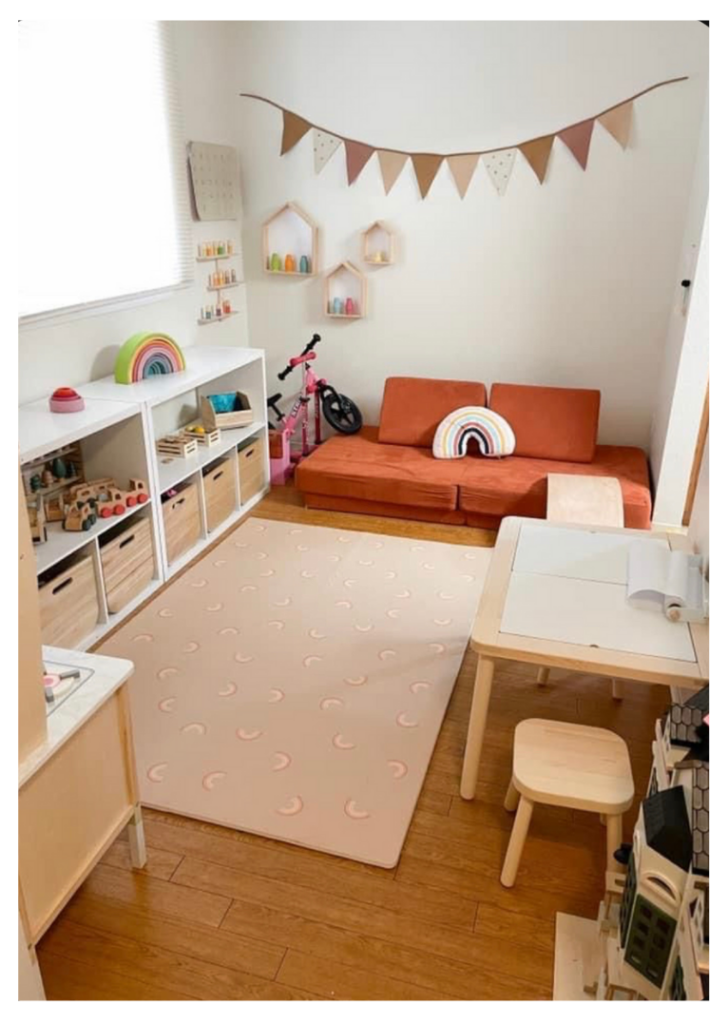
While each approach has its unique features, they share common principles that prioritise respect for the child, independence, and a nurturing environment.
Here is some of the evidence supporting the positive effects of these approaches on children's development:
Montessori education has been associated with the development of strong executive function skills, including attention control, working memory, and cognitive flexibility. These skills play a crucial role in academic success and lifelong learning.
A home environment that supports children’s choices and encourages them to participate in daily activities also contributes to the development of independence and self-confidence.

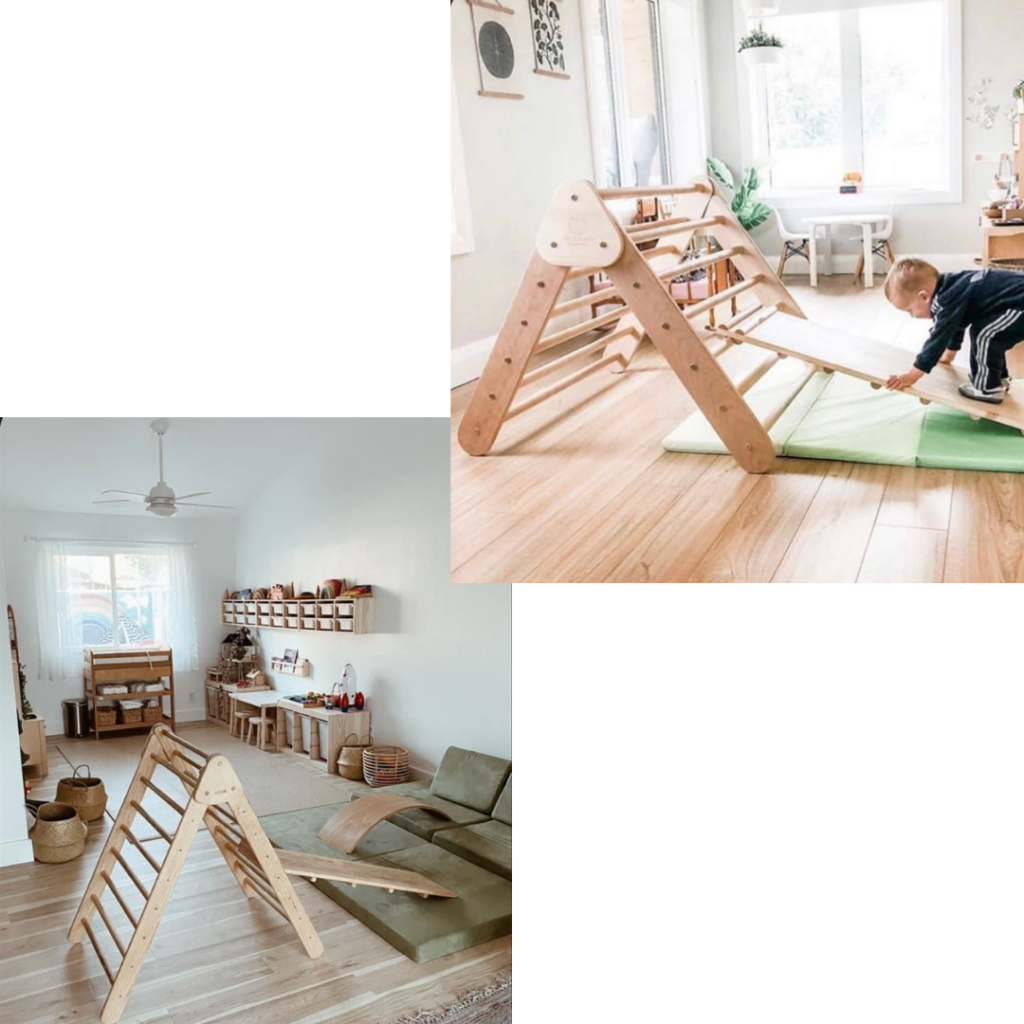
The Pikler approach emphasises allowing children to develop their motor skills at their own pace through free movement. Research suggests that this approach contributes to better motor development and coordination in children.
This approach promotes a safe and secure environment, which allows children to explore their surroundings with confidence. This secure base enhances their curiosity and willingness to engage in learning experiences.
The RIE approach emphasises the importance of building a secure attachment between the caregiver and the child. Research shows that children who have secure attachments tend to have higher self-esteem, better social skills, and stronger emotional regulation.
By respecting the child’s autonomy and fostering independence, the RIE approach develops a strong sense of self and confidence in their abilities.
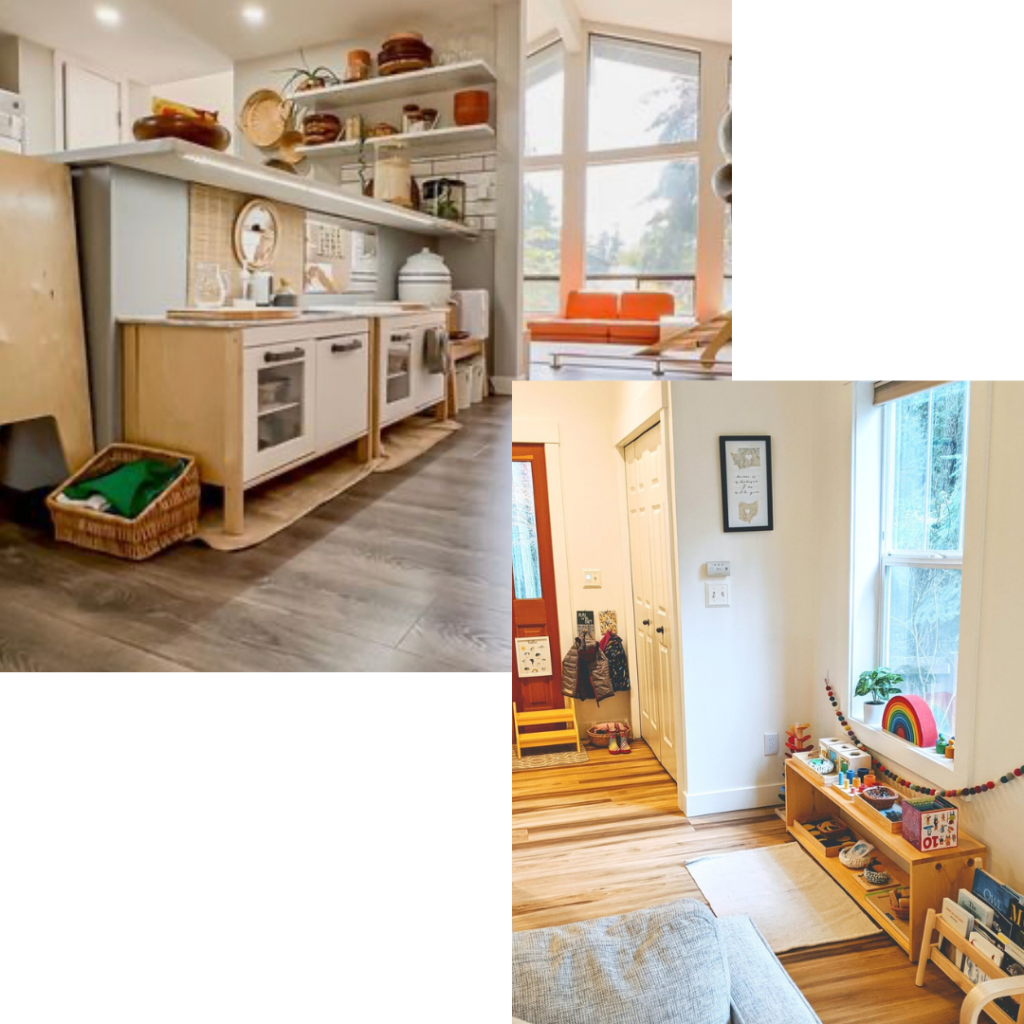
Overall, child-led interior design goes beyond aesthetics and considers the holistic development and wellbeing of the child. It fosters an environment where children can thrive, express themselves, forge meaningful connections and create lasting memories.