
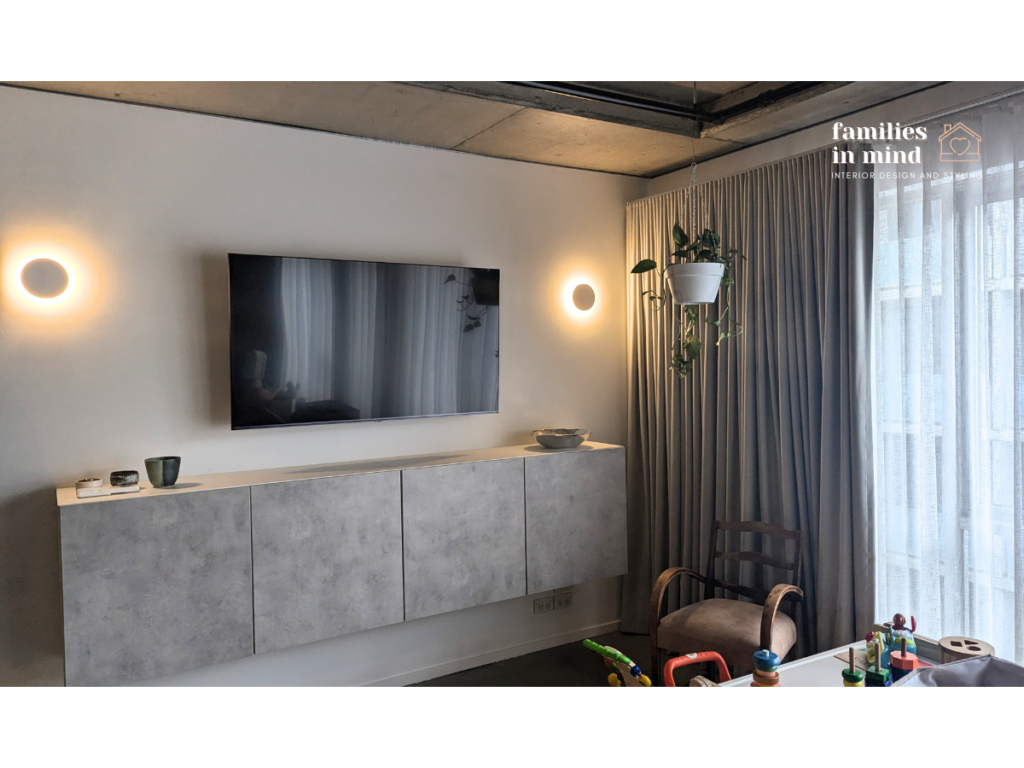
Home is where the heart is, but for families, it’s so much more. It’s the foundation for connection, growth, and daily life. A well-designed home does more than just look beautiful—it plays a crucial role in how a family functions, interacts, and thrives. In this post, we’ll dive into the profound importance of home for families and offer practical tips on creating a nurturing space that supports everyone’s wellbeing.
The emotional importance of home
A home is where children first learn about the world. It’s where they form their earliest attachments and sense of security. Creating a safe home environment for kids fosters a sense of belonging and helps them build confidence as they explore and grow. For parents, home is a place to recharge and unwind from the demands of daily life. The environment you create should support both rest and connection, where families can bond, communicate, and feel at ease.
Designing for Family Well-Being
When it comes to family functionality in home design, it’s important to strike a balance between aesthetics and practicality. A well-thought-out space not only looks good but also makes life easier. For example, well-organised living areas reduce stress, while thoughtful storage solutions can help declutter busy family spaces. Creating nurturing spaces for children means designing with their needs in mind—spaces that encourage independence, play, and responsibility.
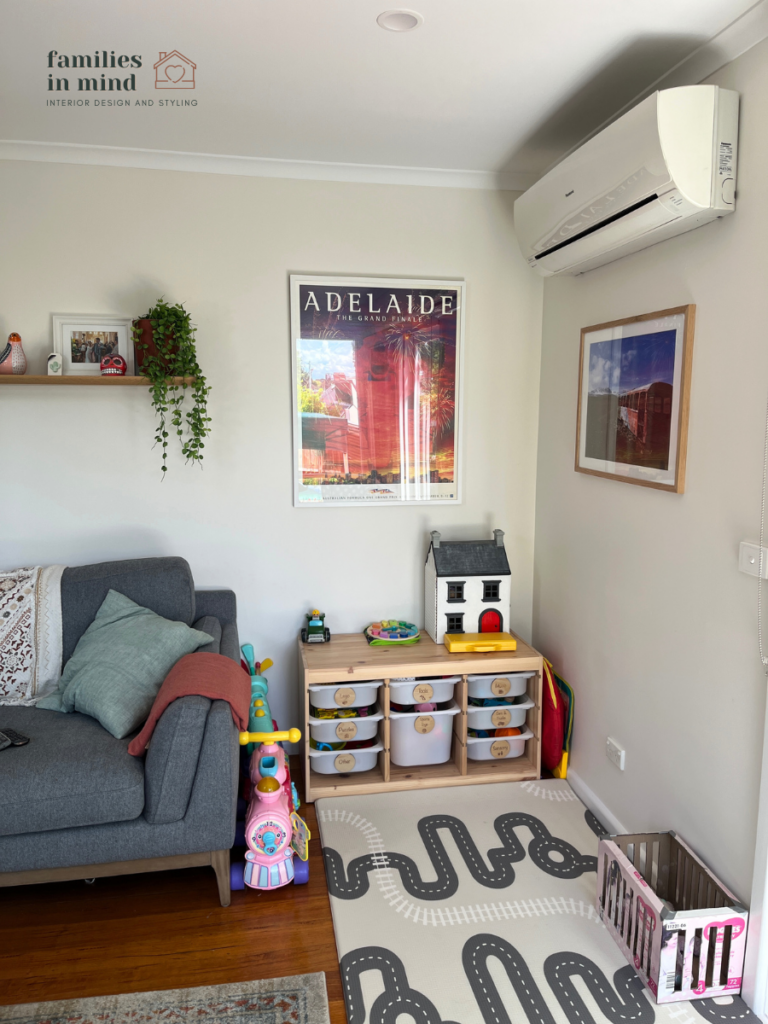
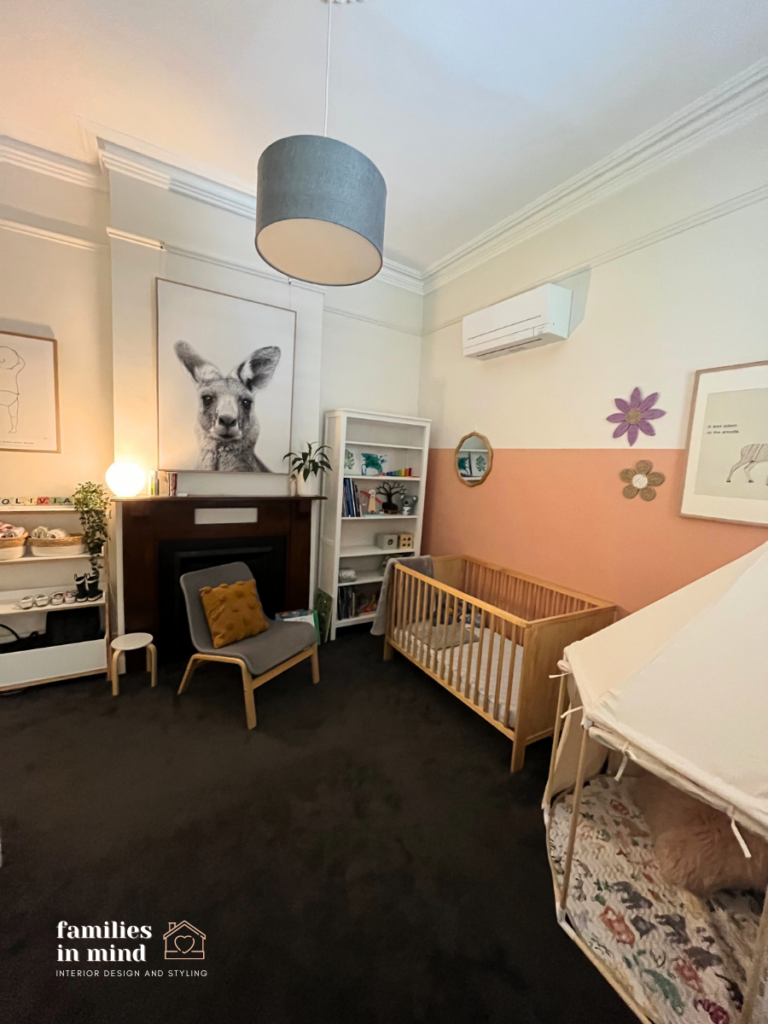
Practical Tips for a Family-Friendly Home
-
- Function over form: Focus on designing spaces that work for your family’s specific needs. This may mean choosing durable, easy-to-clean materials or creating flexible spaces that can adapt as your children grow.
-
- Encouraging connection: Create common areas where family members can gather and connect. Whether it’s a family room for movie nights or a cozy kitchen nook, these spaces encourage conversation and togetherness.
-
- Promoting independence: Design play areas or reading nooks where children can feel a sense of ownership. These areas should be child-friendly but integrated into the home in a way that feels cohesive with the overall design.
At the end of the day, a home is more than just walls and furniture—it’s a place where your family’s story unfolds. By thoughtfully designing your home to meet your family’s unique needs, you create an environment where both parents and children can thrive. Remember, a well-designed home nurtures connection, promotes growth, and supports the overall well-being of your family.